Discover common oven problems, what causes them, and when professional oven repair can prevent costly breakdowns.
Why Is My Freezer Cold but My Refrigerator Warm?
You open your refrigerator to grab a carton of milk only to realize it isn't cold anymore. At the same time, your freezer is working perfectly and everything inside is still frozen. It's a confusing problem because the refrigerator appears to be running, yet one section isn't doing its job.
This is one of the most common refrigerator problems homeowners experience, regardless of whether they own a Samsung, LG, Whirlpool, GE, Frigidaire, KitchenAid, Bosch, Maytag, or Electrolux refrigerator. While the symptoms are similar across brands, the reason behind the problem can vary from one model to another.
The good news is that this issue doesn't usually mean your refrigerator needs to be replaced. In many cases, a single faulty component prevents cold air from reaching the refrigerator compartment. Identifying that component early can save you from spoiled food, higher energy bills, and more expensive repairs later.
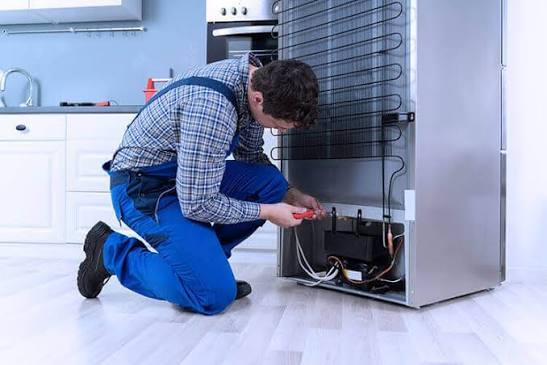
If your refrigerator has stopped cooling properly, scheduling a professional refrigerator repair inspection at UJ appliance is the quickest way to determine exactly what's wrong before the problem becomes worse.
Understanding How Your Refrigerator Cools
Many homeowners assume the refrigerator and freezer cool independently, but that's not how most modern refrigerators work.
In most Samsung, LG, Whirlpool, GE, Frigidaire, and other household refrigerators, the evaporator coil located inside the freezer creates the cold air. An evaporator fan then pushes that cold air through vents into the fresh food compartment.
When that airflow is interrupted, the freezer often continues operating normally because it's located directly beside the cooling system. The refrigerator compartment, however, gradually becomes warmer because it isn't receiving enough cold air.
Understanding this design makes it much easier to understand why this particular problem happens.
The Evaporator Fan Isn't Moving Cold Air
One of the most common causes is a failing evaporator fan motor.
The evaporator fan is responsible for circulating cold air from the freezer into the refrigerator section. If the fan slows down, becomes obstructed, or stops working completely, the freezer can remain cold while the refrigerator begins warming up.
This problem is common across nearly every major refrigerator brand, including Samsung, LG, GE, Whirlpool, Frigidaire, KitchenAid, Bosch, and Maytag.
Before the fan fails completely, many homeowners notice unusual humming, squealing, or rattling noises coming from the freezer. These sounds are often an early warning that the motor bearings are beginning to wear out.
Replacing the fan early is usually much less expensive than waiting until additional components begin struggling because of poor airflow.
Frost Is Blocking the Airflow
Your refrigerator automatically enters a defrost cycle several times each day to prevent ice from accumulating around the evaporator coil.
If part of the defrost system stops working, frost continues building until it eventually blocks the flow of cold air.
When this happens, the freezer often stays cold because it's located directly next to the evaporator coil, but very little cold air can travel into the refrigerator compartment.
Several different parts can cause this issue, including:
-
A failed defrost heater
-
A defective defrost thermostat
-
A faulty defrost sensor
-
A damaged electronic control board
Because several components work together during the defrost cycle, professional testing is usually required to determine which part has failed.
Food Is Blocking the Air Vents
Not every cooling problem requires replacing a part.
Sometimes the solution is as simple as reorganizing the refrigerator.
Cold air travels through vents located between the freezer and refrigerator compartments. Large food containers, frozen pizza boxes, grocery bags, or overpacked shelves can block those vents and reduce airflow.
When this happens, the freezer still receives plenty of cold air while the refrigerator struggles to maintain the correct temperature.
Before calling for service, check that nothing is covering the air vents inside either compartment. Proper airflow is essential for maintaining even temperatures throughout the appliance.
The Air Damper Is Stuck Closed
Many modern refrigerators use an air damper to control how much cold air moves from the freezer into the refrigerator.
Think of it as a small door that opens and closes depending on the refrigerator's temperature.
If the damper becomes stuck in the closed position because of ice buildup, a broken motor, or mechanical failure, cold air remains trapped inside the freezer.
As a result, the freezer continues freezing food normally while the refrigerator slowly becomes warmer.
This issue frequently appears in older Whirlpool, GE, Frigidaire, and KitchenAid refrigerators, although it can occur in virtually any brand.
Dirty Condenser Coils Reduce Cooling Performance
Condenser coils release heat collected from inside the refrigerator.
Over time, those coils become covered with dust, pet hair, grease, and household debris. When that happens, the refrigerator has a much harder time releasing heat efficiently.
Although dirty coils don't always cause a warm refrigerator with a cold freezer by themselves, they force the compressor to work much harder than necessary. Over months or years, that additional strain can contribute to cooling problems and reduce the appliance's lifespan.
Cleaning the condenser coils every six to twelve months is one of the easiest ways to improve refrigerator efficiency and reduce unnecessary wear on the cooling system.
The Temperature Sensor Isn't Reading Correctly
Modern refrigerators depend on sensors to monitor temperatures and communicate with the electronic control board.
If one of these sensors begins sending incorrect information, the refrigerator may believe the fresh food compartment has already reached the correct temperature even though it's becoming warmer.
Because the control board receives inaccurate information, it doesn't adjust airflow correctly.
Temperature sensor failures become more common as refrigerators age and are frequently seen in electronic models manufactured by Samsung, LG, GE, and Whirlpool.
Professional diagnostic equipment is usually required to determine whether the sensor itself has failed or whether another electronic component is responsible.
Don't Assume You Need a New Refrigerator
Many homeowners immediately begin shopping for a replacement after discovering that the refrigerator compartment is warm.
Fortunately, that's often unnecessary.
Most of the problems discussed above involve replacing a single component rather than the entire appliance. An evaporator fan, air damper, temperature sensor, or defrost component can usually be repaired without replacing the refrigerator itself.
Before making that decision, read our guide on Is It Better to Repair or Replace an Oven? It explains how appliance age, repair costs, and overall condition help determine which option offers the best value.
Acting Early Can Prevent Bigger Repairs
Refrigerator problems rarely fix themselves.
A weak fan motor today may stop working completely next week. Frost buildup may continue restricting airflow until neither compartment cools properly. A struggling compressor may work harder and consume more electricity while trying to compensate for another failing part.
If you've recently noticed unusual noises, inconsistent temperatures, longer cooling times, or food spoiling unexpectedly, compare your symptoms with our article 5 Signs Your Refrigerator Needs Repair Right Away. Catching the problem early often prevents additional damage and reduces repair costs.
Need Reliable Oven Repair?
A malfunctioning oven doesn't have to disrupt your daily routine. Whether you're dealing with heating problems, uneven cooking, or electrical issues, UJ Appliance Repair is here to help. Our experienced technicians provide reliable repairs for all major oven brands, helping restore your appliance's performance safely and efficiently.
Contact us today to schedule your oven repair service and let our team get your kitchen back up and running.
Need appliance repair?
Our certified technicians are ready to help — same-day service available.