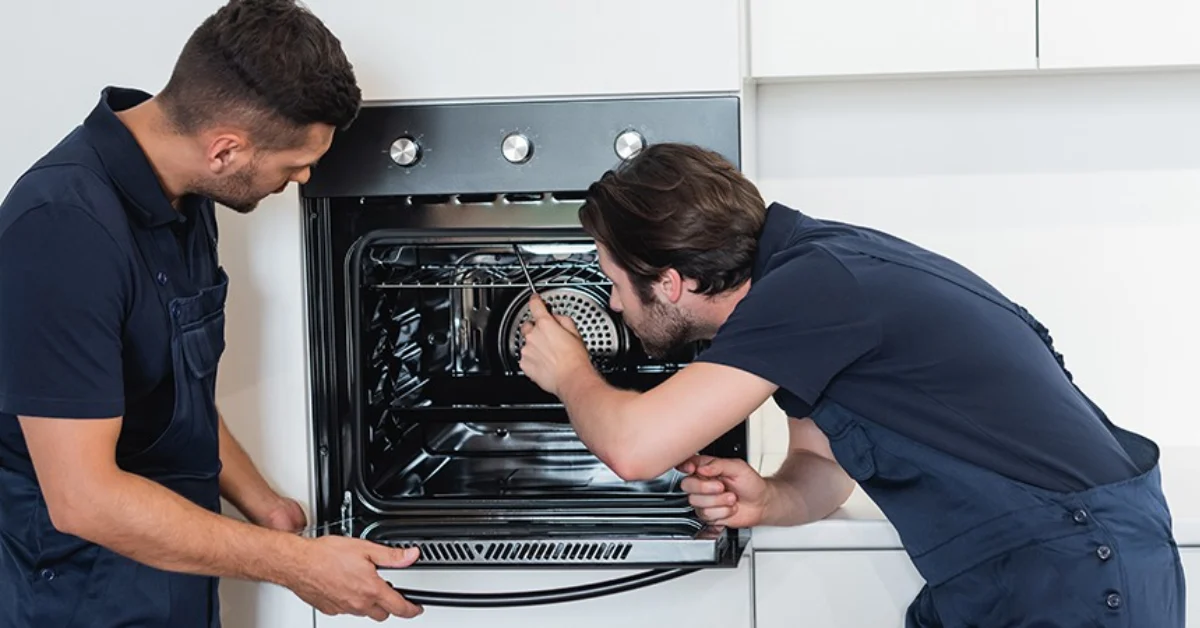
Discover the most common oven problems homeowners face, what causes them, and when it's time to call a professional. Learn how early repairs can prevent costly breakdowns and keep your oven running safely and efficiently.
Common Oven Problems Homeowners Should Never Ignore
Your oven is one of the hardest-working appliances in your kitchen. Whether you're preparing weeknight dinners or hosting family gatherings, you rely on it to heat consistently and cook food safely. That's why even small changes in performance shouldn't be ignored.
Many homeowners continue using an oven that isn't working properly because the problem seems minor. Maybe it takes a little longer to preheat, the temperature feels slightly off, or food starts cooking unevenly. While these issues may not seem urgent at first, they're often early warning signs of a larger problem developing inside the appliance.
Catching those warning signs early can help you avoid expensive repairs, unexpected breakdowns, and the inconvenience of losing your oven when you need it most. If you've started noticing unusual behavior, scheduling a professional oven repair near me inspection can help identify the cause before the damage becomes more serious.
Uneven Cooking
One of the first signs homeowners notice is uneven cooking. You might find that one side of a casserole is overcooked while the other side is still cold, or cookies brown unevenly across the baking tray.
This problem usually points to an issue with the heating element, temperature sensor, convection fan, or thermostat. Although it may seem like a small inconvenience, uneven heating often gets worse over time and can eventually affect the oven's ability to maintain the correct temperature.
If your meals are no longer cooking evenly, don't assume it's just an old appliance. Our guide on Oven Not Heating Evenly: Causes and Solutions explains the most common reasons this happens and the repairs that may be needed.
The Oven Takes Too Long to Preheat
Waiting a few extra minutes for your oven to heat up may not seem like a major concern, but a significant increase in preheating time often indicates that something isn't working as it should.
In electric ovens, a weakened bake element may struggle to generate enough heat. Gas ovens frequently experience this problem when the igniter begins to wear out. Because these components continue to deteriorate over time, preheating usually becomes slower before complete failure occurs.
Repairing the problem early can often prevent your oven from stopping altogether.
Inconsistent Temperature
Have you noticed that recipes you've made for years suddenly require more cooking time? Or perhaps food burns even though you're following the same instructions.
An oven that can't maintain a consistent temperature is more than just frustrating it can also affect food safety and cooking results.
Several components may be responsible, including the thermostat, temperature sensor, electronic control board, or heating element. A professional inspection can identify which part has failed and restore accurate cooking temperatures.
Strange Noises During Operation
While every oven makes some noise during normal operation, unusual sounds shouldn't be ignored.
Buzzing, clicking, rattling, humming, or grinding noises may indicate loose components, a failing convection fan, electrical problems, or worn mechanical parts. In some cases, these noises are harmless. In others, they're early warnings that a component is close to failure.
If the sounds become louder or occur more frequently, it's best to stop using the appliance until it's been inspected.
Burning Smells That Don't Go Away
It's normal to notice a slight odor when using a brand-new oven or after food has spilled onto the bottom of the appliance. However, persistent burning smells deserve attention.
A damaged wire, failing electrical component, overheating insulation, or grease buildup can all produce unusual odors. If the smell resembles burning plastic or electrical wiring, stop using the oven immediately and arrange for professional service.
Ignoring these smells can increase the risk of further damage and, in rare cases, create a safety hazard.
The Oven Shuts Off While You're Cooking
Few kitchen problems are more frustrating than opening the oven to discover it has turned itself off halfway through preparing a meal.
Unexpected shutdowns can result from overheating, electrical faults, sensor failures, or problems with the control board. While the oven may restart temporarily, repeated shutdowns almost always indicate an underlying issue that won't resolve on its own.
The sooner the problem is diagnosed, the more likely it can be repaired before additional components are affected.
The Oven Door Doesn't Close Properly
The oven door plays an important role in maintaining cooking temperature. If it doesn't seal tightly, heat escapes continuously, forcing the appliance to work much harder than it should.
A worn gasket, damaged hinge, or misaligned door can all prevent the oven from closing correctly. Besides increasing cooking times, this additional strain may shorten the lifespan of heating components.
Fortunately, door-related repairs are often straightforward when addressed early.
Don't Ignore Small Warning Signs
One of the biggest mistakes homeowners make is waiting until the oven stops working completely before calling for service.
Small problems rarely stay small. A weak heating element today may become a complete heating failure next month. An inaccurate thermostat may eventually damage other internal components by forcing the appliance to work harder than necessary.
If you've recently noticed unusual behavior, it's worth comparing your symptoms with the warning signs discussed in our article 5 Signs Your Oven Needs Repair Right Away. Identifying the issue early can often prevent a more expensive repair later.
Repair or Replace?
Not every oven problem means you need a new appliance. In fact, many of the issues discussed above can be resolved by replacing a single worn component.
The right decision depends on several factors, including the oven's age, the overall condition of the appliance, and the estimated repair cost. Before replacing your oven, it's worth understanding whether repair is still the better investment.
Our guide on Is It Better to Repair or Replace an Oven? walks through the factors professionals consider when helping homeowners make that decision.
Why Professional Diagnosis Matters
Although online troubleshooting can help you understand common oven problems, every appliance is different. Two ovens may display similar symptoms while having completely different underlying causes.
A professional technician has the tools and experience to identify the exact issue, recommend the appropriate repair, and ensure the appliance is operating safely before returning it to service.
Whether you need oven repair in San Jose or assistance in a nearby community, choosing experienced technicians can save both time and money by fixing the problem correctly the first time.
If you're unsure whether your location is covered, visit our service areas page to see where we provide appliance repair services.
Final Thoughts
Your oven often gives you plenty of warning before a complete breakdown occurs. Uneven cooking, inconsistent temperatures, unusual noises, slow preheating, and persistent burning smells are all signs that something isn't working as it should.
Ignoring these issues can lead to more extensive repairs and, in some cases, shorten the life of your appliance. Acting early not only helps protect your investment but also ensures your oven continues operating safely and efficiently.
If you've noticed any of these warning signs, don't wait for your oven to stop working altogether. Schedule your oven repair service appointment or contact us today to have one of our experienced technicians inspect your appliance and recommend the most cost-effective solution.
Frequently Asked Questions
What is the most common problem with an oven?
Uneven heating is one of the most common oven problems. It is often caused by a faulty heating element, temperature sensor, thermostat, or igniter.
Can I continue using my oven if it isn't heating properly?
It's best not to. Continuing to use an oven with heating problems can lead to further damage and inconsistent cooking results.
Why does my oven suddenly take longer to preheat?
Slow preheating is commonly caused by a failing heating element, worn igniter, or temperature sensor that is no longer working correctly.
How do I know if my oven needs professional repair?
If your oven is cooking unevenly, shutting off unexpectedly, making unusual noises, producing burning smells, or struggling to maintain temperature, it should be inspected by a qualified technician.
Is repairing an oven usually cheaper than replacing it?
In many cases, yes. Most common oven problems involve replacing individual parts rather than the entire appliance, making repair the more affordable option.
Need appliance repair?
Our certified technicians are ready to help — same-day service available.